
Why Energy Transparency is Crucial in Tackling Climate Change
In a world increasingly driven by data and technology, energy transparency has emerged as a crucial tool for reducing consumption and lowering carbon emissions. The Green Button program is a pioneering initiative designed to provide utility customers with secure, real-time access to their energy usage data. Through this access, individuals can make informed decisions about their consumption patterns, leading to cost savings and environmental benefits. But what exactly is the Green Button program, who benefits from it, and how is it being implemented across different regions?
Understanding the Green Button Program
Launched in 2012, the Green Button initiative is part of a broader effort to standardize and simplify the way consumers access and interact with their energy data. It was initially introduced in the United States by the Department of Energy in partnership with major utility companies and has since expanded into Canada and other countries.
The Green Button allows users to securely download their electricity consumption data in a format that can be easily interpreted and shared with third-party applications. This data includes hourly, daily, and monthly energy consumption patterns, providing insight into when and where energy is being used most in a home or business.
Who Benefits from the Green Button Program?
The benefits of the Green Button program extend beyond homeowners to include businesses, energy service providers, and even governments:
- Homeowners gain unprecedented access to detailed energy consumption data. They can analyze their usage, identify waste, and implement changes to reduce consumption.
- Businesses can use the data to perform in-depth energy audits, optimize energy usage, and identify inefficiencies in their operations.
- Government agencies can use aggregated data to inform energy policy, track trends in energy consumption, and design programs aimed at promoting energy efficiency.
Green Button’s Role in Driving Smart Home Technologies
One of the most exciting aspects of the Green Button program is its potential to integrate with smart home technologies. As homes become more connected through the Internet of Things (IoT), having access to detailed energy data in real-time can significantly enhance the effectiveness of smart home devices like thermostats, smart plugs, and energy-efficient appliances.
- Smart thermostats can adjust home temperatures based on usage data, potentially reducing energy consumption by up to 10-15%.
- Home automation systems can optimize lighting, heating, and cooling systems based on actual occupancy and usage patterns, further enhancing efficiency.
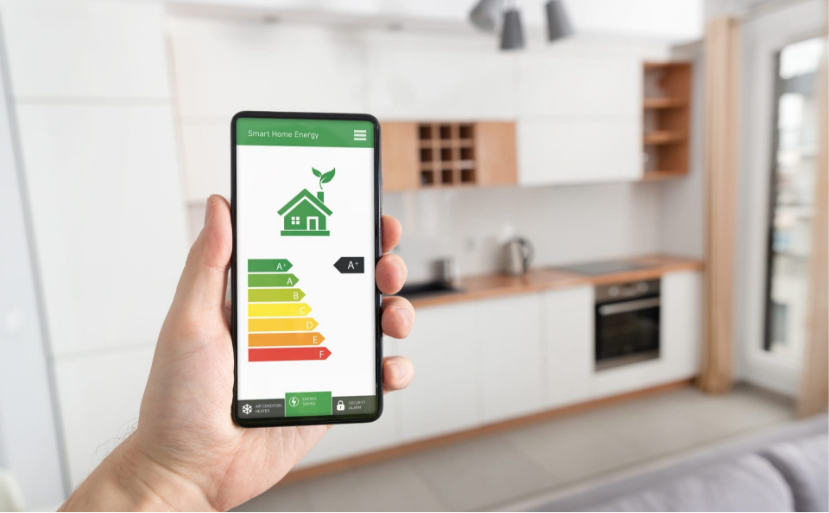
The ability to share this data with third-party developers has led to the creation of apps and tools that allow users to track their energy consumption on mobile devices, making energy management more accessible.
Rolling Out the Green Button Program in Canada: Progress and Challenges
Canada, and particularly Ontario, has been a leader in the Green Button rollout. The Independent Electricity System Operator (IESO) has spearheaded the adoption of the Green Button standard, with several large utilities like Hydro One, Alectra Utilities, and Toronto Hydro leading the charge. As of 2023, these utilities have integrated Green Button capabilities, allowing homeowners to download their data. However, the rollout has not been without challenges:
Technological limitations: Smaller utilities often face difficulties in adopting the program due to outdated infrastructure. Implementing the Green Button standard requires significant IT upgrades, which can be cost-prohibitive for smaller entities.
- Data security concerns: The collection and sharing of detailed energy consumption data have raised privacy concerns among consumers. Safeguarding this data is crucial, and utilities must implement robust data protection measures.
- Consumer awareness: Many consumers remain unaware of the Green Button program and its benefits. Awareness campaigns are needed to ensure that people know they can access and utilize their energy data effectively.
The Environmental Impact of the Green Button Program
The Green Button initiative is not only about saving money on electricity bills—it is also a vital tool in the fight against climate change. By providing consumers with the information they need to reduce their energy consumption, the program can contribute to significant reductions in carbon emissions. According to a study by the Lawrence Berkeley National Laboratory, households that use real-time energy data typically reduce their consumption by 5-15%. Scaled across millions of homes, this can lead to substantial decreases in electricity demand, which in turn reduces the need for power generation from fossil fuel sources. Moreover, the data provided by the Green Button can be used by policymakers to design more effective energy efficiency programs and incentives. Governments can track trends in energy use and identify areas where additional support or regulations are needed.
A Game-Changer for Consumers and the Environment
The Green Button program represents a major step forward in energy transparency and efficiency. By providing consumers with easy access to detailed energy data, the program empowers individuals and businesses to make smarter energy decisions, save money, and contribute to global sustainability efforts. While challenges remain in terms of infrastructure and awareness, the program’s benefits are undeniable. As more utilities and regions adopt the Green Button standard, we can expect to see significant energy savings and environmental benefits in the years to come.